



 MAIL MAGAZINE


8月29日(土)、「Palette」の伊勢茶プロジェクトの一環として、三重県内の茶業・製陶業の関連施設を訪問しました / On Saturday, August 29, as part of Palette's Ise-Cha Project, Japanese students and International students visited several facilities related to the tea and pottery industries in Mie Prefecture
三重大学では、学生と大学が三重大学の国際化に取り組む「Palette」を組織しています。その活動の一環として、三重県の特産である伊勢茶を題材に、その魅力や現場が抱える課題などを知り、留学生を含む学生が共に考え、世界に向けて発信することを目的として伊勢茶プロジェクトに取り組んでいます。
At Mie University, we have established "Palette," an initiative in which students and the University work together to promote internationalization at Mie University. As part of its activities, the Ise-Cha Project focuses on Ise-Cha, a specialty of Mie Prefecture. The project aims to learn about the appeal of Ise-Cha and the challenges faced by the tea industry, encourage students, including international students, to explore these issues together, and share the appeal of Ise-Cha with people around the world.
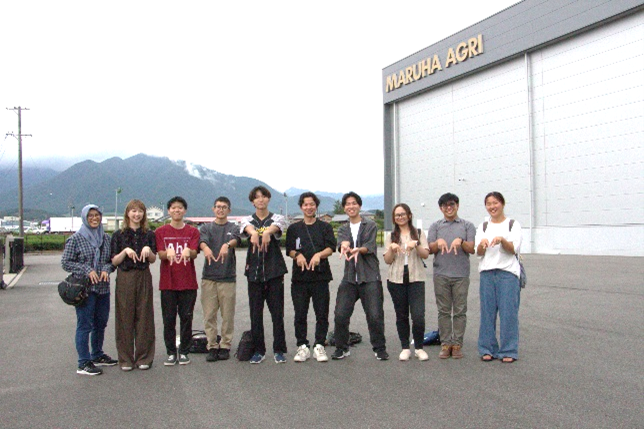
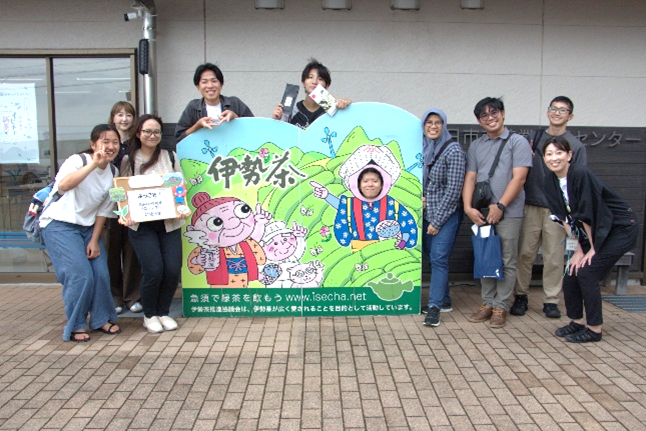
今回は、「まるは茶業・MARUHA AGRI」、「四日市茶業振興センター」、そして萬古急須を専門とする「陶山製陶所」の3か所を巡りました。
This time, we visited three locations: Maruha Tea Industry & MARUHA AGRI, the Yokkaichi Tea Industry Promotion Center, and Tozan Pottery Studio, which specializes in Banko-yaki teapots.
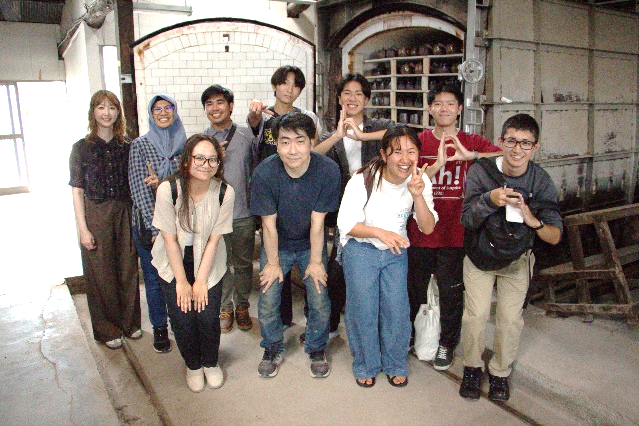
茶畑や工場の見学では、茶農家の方々の経営の工夫や、徹底された衛生管理・品質管理について学びました。また、お茶の種類を当てる「選別クイズ」や、実際にかぶせ茶を使った「茶揉み体験」を通して、伊勢茶の多様な楽しみ方を体感しました。 陶山製陶所では、萬古焼の急須がお茶の渋みを取る仕組みなどを教わり、お茶と急須の深い関係性について知ることができました。
During the visits to the tea fields and factory, the students learned about the various management strategies employed by tea farmers, as well as the thorough hygiene and quality control practices in place. They also experienced different ways of enjoying Ise-Cha through a tea identification quiz and a hands-on tea-rolling activity using Kabusecha (shaded green tea).
At Tozan Pottery Studio, the students learned how Banko-yaki teapots help reduce the astringency of tea, gaining a deeper understanding of the close relationship between tea and teapots.
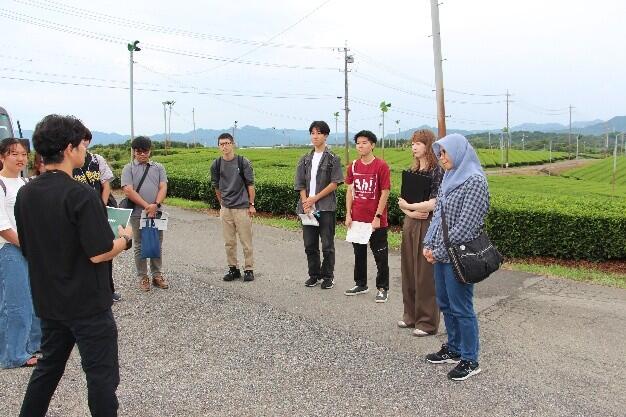
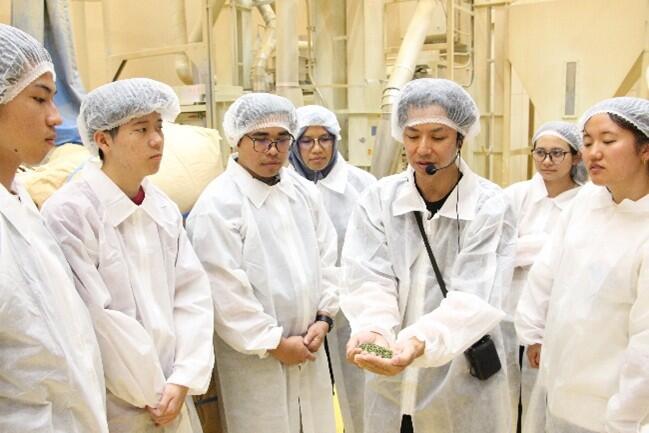
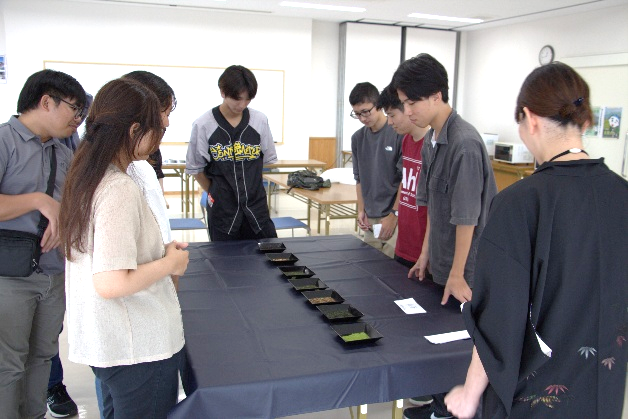
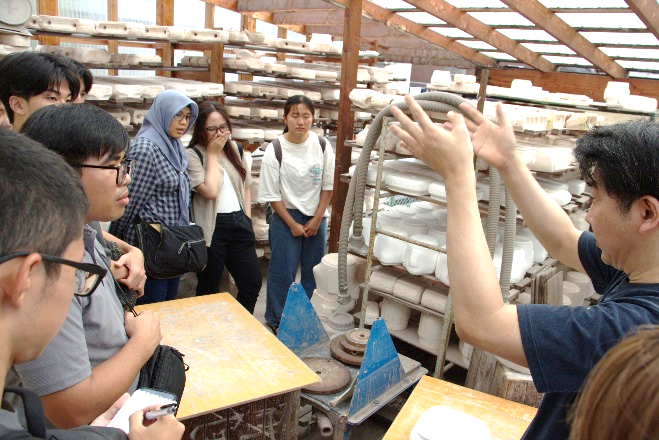
実践現場の訪問では、見聞きする情報が深みを増し、社会の構造がより現実的で立体的に捉えることができました。例えば、スーパーではお茶のペットボトルは1本100円程度で販売されていますが、メーカーの希望する販売価格は1本220円であることを知りました。生産者である茶農家を守ろうとするメーカーの企業努力で成り立つ現状を知りました。伊勢茶と萬古焼の実践現場の訪問から、学生たちは社会が抱える問題や矛盾など、三重県の伝統産業が直面している現実に触れ、産業の仕組みや課題について考える機会を得ることができました。
Through visits to the sites where these industries are practiced, students were able to gain a deeper understanding of the information they saw and heard and to perceive the structure of society in a more realistic and multidimensional way. For example, they learned that while bottled tea is sold for around 100 yen per bottle at supermarkets, the manufacturer's desired retail price is 220 yen per bottle. They came to understand that the current situation is sustained by the manufacturer's efforts to support and protect tea farmers, who are the producers.
Through their visits to the sites involved in Ise Tea and Banko-yaki, the students were able to experience firsthand the realities facing Mie Prefecture's traditional industries, including the problems and contradictions within society, and had an opportunity to think about the structures and challenges of these industries.
留学生も積極的に質問や交流を行い、言語の壁を越えて日本の深いお茶文化に触れる貴重な時間となりました。
The international students also actively asked questions and engaged in exchanges with the local participants, making it a valuable opportunity to experience Japan's rich tea culture beyond language barriers.
最後になりますが、お忙しい中、快く見学を受け入れてくださった、まるは茶業様、四日市茶業振興センター様、陶山製陶所の皆様、本当にありがとうございました。
Finally, we would like to express our sincere gratitude to everyone at Maruha Tea Industry, the Yokkaichi Tea Industry Promotion Center, and Tozan Pottery Studio for kindly welcoming us for visits despite their busy schedules. We truly appreciate their time and generosity.